
3D visualization software: The guide to modern product experiences
Digital product experiences have shifted decisively away from static content. As products become more configurable, more premium, and more complex, traditional photography and 2D configurators struggle to keep pace. Customers expect clarity, realism, and confidence before committing to a purchase, especially when customization, pricing, or technical constraints are involved.
3D visualization software addresses this gap by enabling interactive, real-time product experiences that reflect real configuration logic, visual accuracy, and commercial rules. Through 3D visualization, customers understand the impact of their choices and make product decisions with confidence and greater certainty.
Why 3D visualization software has become essential
Product portfolios are expanding, personalization is becoming the norm, and buying journeys increasingly start online, even for complex or high-value products. In this context, static images and predefined variants introduce friction, ambiguity, and operational overhead.
3D visualization software has become essential because it allows companies to represent entire product rule sets rather than individual outcomes. A single 3D model can replace hundreds or thousands of static visuals, while remaining consistent with engineering constraints, pricing logic, and production feasibility.
3D visualization software has become a foundational component of modern digital product experiences.
Reduced content maintenance as product ranges evolve
3D visualization software replaces large libraries of static images with a single, rule-based product model. When products, options, or materials change, updates are applied at the model level and automatically reflected across all valid configurations. This significantly reduces the effort required to maintain visual content as product ranges expand or evolve.
Faster time-to-market for new configurations or options
New configurations can be introduced by extending existing parameters and rules, without waiting for new photos or renders to be produced. Once validated, new options become immediately available in the visualization experience. This shortens launch cycles and allows commercial teams to bring new offerings to market as soon as they are ready.
Greater consistency across online, in-store, and sales-assisted channels
A shared 3D visualization layer ensures that the same product logic and visual representation is used across all channels. Customers and sales teams see identical configurations, governed by the same rules and constraints, reducing discrepancies and aligning expectations throughout the buying journey.
What is real-time 3D visualization software?
Real-time 3D product visualization refers to the live rendering of a digital product model that updates instantly as a user changes configuration options. These changes can include dimensions, materials, colors, components, or functional parameters, all governed by predefined rules. Unlike pre-rendered images or video, real-time visualization is generated dynamically in the browser or application. This ensures that every visual state corresponds to a valid, rule-based configuration, both visually and logically.
Modern real-time 3D product visualization software typically integrates:
- Parametric product models
- Configuration and validation rules
- Pricing or value calculations
- Optional downstream outputs such as BOMs or production files
The result is not just a visual layer, but a structured representation of the product that can support sales, ordering, and manufacturing workflows.
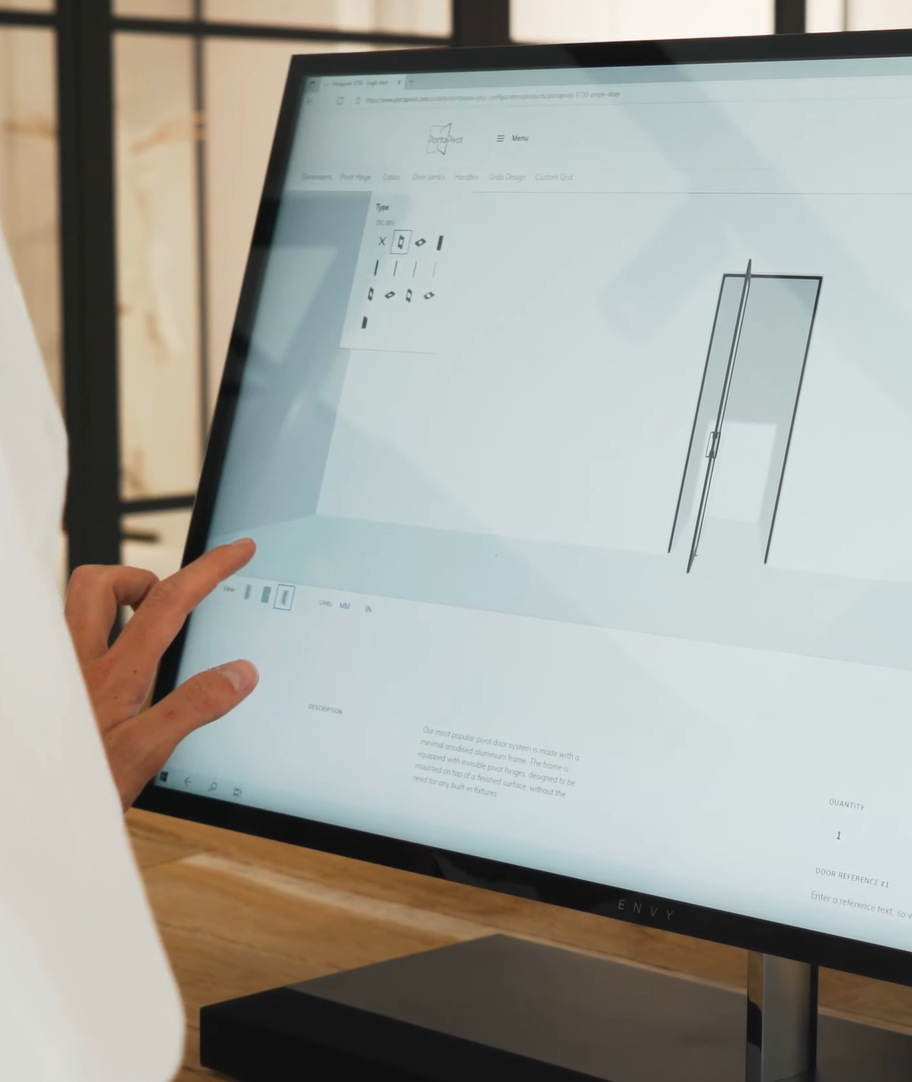
How 3D visualization software improves buying decisions
When products offer multiple options or levels of customization, customers often struggle to fully understand what they are buying. 3D visualization software turns choices into visible, interactive outcomes, allowing customers to make decisions with greater clarity and confidence.
Real-time 3D visualization shows customers exactly how their choices affect the product. Abstract options become visible outcomes, reducing ambiguity and helping buyers clearly understand what they are selecting.
Configuration changes are reflected instantly, allowing customers to explore alternatives, compare options, and understand trade-offs in real time. This continuous feedback loop builds confidence and reduces hesitation during the decision process.
3D visualization makes structure, proportions, and relationships between components easy to grasp. Customers gain a clearer understanding of complex or configurable products, enabling more informed and assured purchasing decisions.
How 3D visualization software drives business impact
3D visualization software goes beyond a presentation tool, becoming a strategic foundation for how brands manage complexity, scale personalization, and operate efficiently across channels.
Rule-driven 3D product visualization ensures custom product orders are validated upfront, reducing incorrect orders, internal clarifications, and downstream rework.
A shared 3D visualization and configuration layer connects the webshop, sales tools, and dealer environments to a single source of product truth. Product updates and rules are applied once and reflected everywhere, improving efficiency while keeping all channels aligned as product ranges evolve.
3D visualization enables brands to use personalization as a growth lever without losing control. Configuration rules enforce pricing, feasibility, and execution constraints, allowing brands to scale customization across markets and channels with confidence and operational discipline.
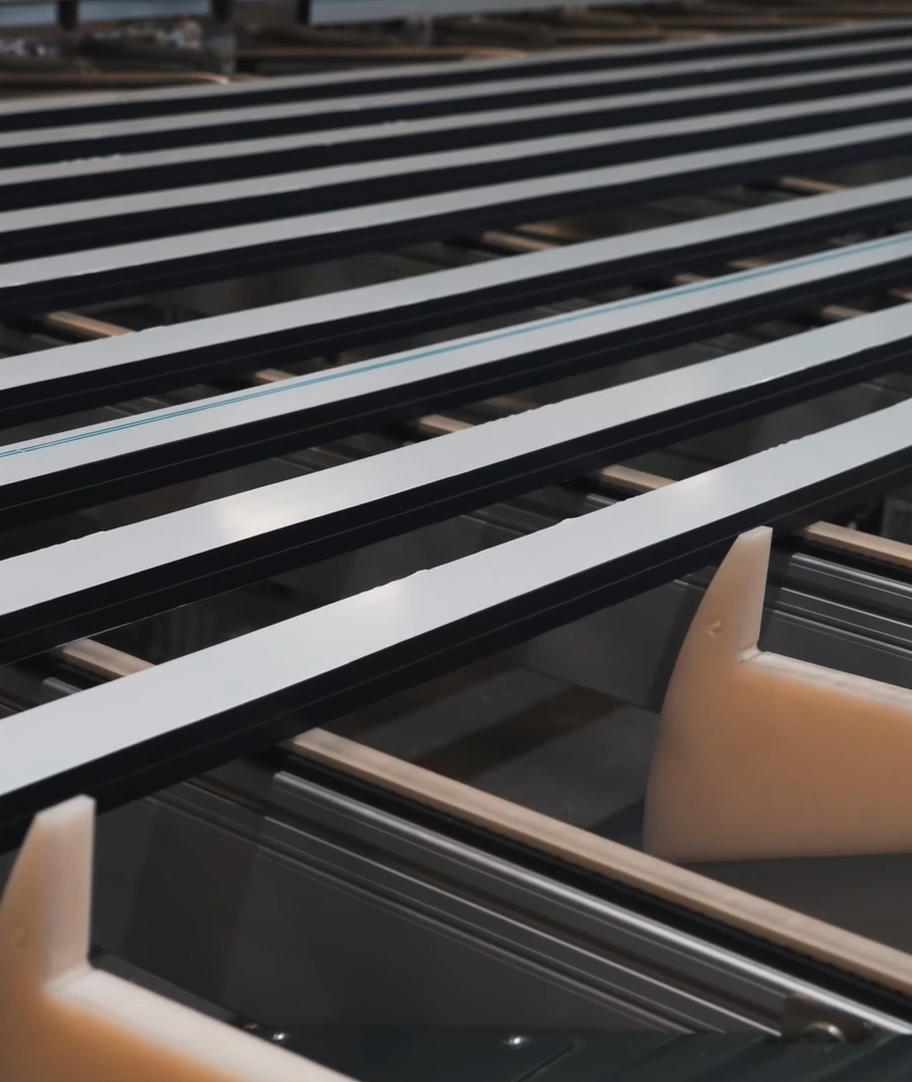
How Twikit unifies 3D product visualization, sales and manufacturing
Twikit connects interactive 3D visualization and configuration directly to ordering and manufacturing through a seamless digital workflow.
Embedded across digital and sales environments
Twikit’s 3D configurators are designed to integrate seamlessly into existing storefronts, web environments, and dealership or point-of-sale setups. Whether customers configure products online or together with a sales representative, they interact with the same rule-driven product logic and visualization layer, ensuring consistency across all touchpoints.
Connected to order and manufacturing workflows
Twikit’s 3D visualization and configuration software connects customer configurations directly to ordering and manufacturing processes. Each configuration is validated through rule-based logic and can generate production-ready outputs such as structured Bills of Materials and manufacturing files, ensuring a seamless transition from configuration to execution at scale.
From web visualization to in-store experiences
Twikit supports real-time 3D visualization through WebGL for scalable, browser-based experiences, as well as an Unreal Engine integration for premium visual quality when required. This allows brands to balance performance, realism, and reach depending on their use case and channel.
A foundation for scalable, controlled personalization
By unifying visualization, configuration logic, and system integrations within one platform, Twikit provides brands with a scalable foundation to expand personalization across markets and channels without sacrificing control over feasibility, pricing, or operational execution.
Related articles
-
What is real-time 3D product visualization?01 Sep 2025 Trends and challenges
-
What is the difference between static product images and real-time 3D visualization in 2025?28 Oct 2025 Trends and challenges
-
What is the impact of product uncertainty on online purchase decisions?14 Oct 2025 Trends and challenges
-
How does interactive 3D product visualization improve conversion rates?25 Nov 2025 Trends and challenges
-
What are the most important elements of a high-converting product page?12 Nov 2025 Trends and challenges
-
What is the role of product visualization in online customer experience?30 Sep 2025 Trends and challenges
-
How real-time 3D product visualization can elevate the existing CPQ landscape05 Nov 2024 Technology
-
What are the main reasons customers hesitate to buy products online?04 Feb 2026 Trends and challenges
-
What role does visual content play in online purchase decisions?12 Sep 2025 Trends and challenges
-
What is the future of online product presentation and visualization?02 Oct 2025 Trends and challenges
Interested to learn more?

3D product configurator software with manufacturing workflows
Software
Platform
© 2026 Twikit. All Rights Reserved.